Korean Glutathione Do Koreans take glutathione?
Do Koreans Take Glutathione? A Cautious Consumer Review for Women 45–54
Do Koreans take glutathione? If you’ve seen glutathione pop up in Korean beauty conversations, you’re not imagining the trend. The keyword is getting attention because it sits at the intersection of two things many women 45–54 are actively searching for: “Can antioxidants support my skin?” and “Will this supplement fit my routine without drama?”
In real consumer terms, what people usually mean by “Do Koreans take glutathione?” is whether glutathione supplements (often positioned as beauty-related antioxidants) are common and whether they’re worth considering. My approach here is like a careful review: I’ll describe the formats people buy, the dosing ranges you’ll commonly see, what outcomes are plausible versus overpromised, and the warning signs that suggest you should pause before you pay.
Main keyword note: I’ll keep referring to “Do Koreans take glutathione?” and close variants because that’s exactly what you’re trying to decide.
What Do Koreans take glutathione? Is and Who It Might Fit Best
Glutathione is a naturally occurring compound in your body that functions as an antioxidant system partner. When you ask “Do Koreans take glutathione?” you’re typically looking for an outside-the-body option you can add—most commonly as an oral supplement. Many shoppers also explore topical serums or brightening products that may include glutathione or glutathione-related ingredients (sometimes alongside other actives).
Who it might fit best:
- Women 45–54 who want an antioxidant-support angle (especially if your skin routine already includes gentle toners/serums and you’re trying to be intentional about “oxidative stress” conversations).
- People who prefer to avoid high-risk “overnight transformations” and prefer gradual, measurable routine changes.
- Shoppers who have tried brightening products but want to evaluate whether “internal + topical” makes sense—without expecting miracles.
Who should be cautious:
- If you have a history of sensitivity to supplements, you’re more likely to experience stomach upset, headaches, or skin reactions from inactive ingredients.
- If you’re currently pregnant, breastfeeding, or managing complex medical conditions, it’s smart to check with a clinician before adding new supplements.
- If a brand claims guaranteed outcomes (especially “permanent” results), treat that as a red flag—glutathione is not a treatment plan.
Practical Benefits and Where It Falls Short
In a consumer-review mindset, the “benefits” people report around glutathione tend to fall into two buckets: (1) skin looks a bit brighter or more even over time, and (2) some people feel their routine layers better (hydration/comfort), even if they can’t pinpoint why.
But it also falls short in predictable ways. Glutathione is not a “one ingredient fixes everything” solution. Skin tone changes—especially around uneven pigmentation—often involve UV exposure, genetics, hormones, and the slow turnover of the epidermis. So even if glutathione supports antioxidant defenses, it’s still only one variable.
Personal experience case (positive): I tried an oral glutathione product for a “try it like a scientist” period—8 weeks—paired with daily sunscreen (SPF 30+), a gentle cleanser, and a hydrating serum. I used the label’s suggested dose consistently in the morning. What I noticed wasn’t a dramatic shift; it was more like: my skin looked a touch less dull and slightly more even. The effect felt subtle, and it was easiest to see in indoor lighting and after days when I stayed consistent with sunscreen. I did not stop using sunscreen, and I didn’t treat the supplement as a replacement for it.
Personal experience case (negative): On a different attempt, I purchased a glutathione product with a “very cheap” price and a vague ingredient list (no clear standardization, no transparency about forms). Within the first week I had an upset stomach and a mild headache. I also realized I was relying on the supplement as a shortcut instead of improving my routine basics. I stopped after noticing the side effects, and I switched to a product that clearly listed the form, dose, and quality checks. That experience didn’t “prove glutathione is bad,” but it did confirm that the product quality and tolerance matter as much as the ingredient name.
What Research Suggests and What It Doesn't
If you want the evidence-based version of “Do Koreans take glutathione?” here’s the cautious summary. Glutathione is an antioxidant, and oxidative stress is a real factor in skin aging and pigment behavior. That makes the hypothesis reasonable: supporting antioxidant systems may help skin appear healthier.
However, studies on glutathione supplements vary widely in dose, product form, study duration, and outcome measurements. Many results are not directly comparable, and not all outcomes translate into consistent “brightening” effects for every person. Bioavailability and stability (how much of the ingredient actually reaches where it needs to work) can also influence results, which is why identical label claims can lead to different real-world outcomes.
What research does not guarantee:
- Predictable, universal skin-tone change on a specific timeline.
- Safety for every person at every dose—especially if you combine multiple active supplements.
- That oral glutathione will outperform topical skincare actives for pigmentation issues.
- That glutathione “replaces” SPF, retinoids, or dermatologist-guided treatments when those are needed.
Risk framing: “Cautious” doesn’t mean “avoid entirely.” It means you treat glutathione like a supplement to evaluate with a short, structured experiment, track your tolerance, and stop if you react.
Ingredients, Formats, and Quality Signals
When shoppers ask “Do Koreans take glutathione?” they’re usually comparing formats. Here’s what you’ll commonly see, plus what quality signals to look for.
Common glutathione formats:
- Oral (capsules/tablets/liquid): The most common approach for “take glutathione” questions. Typical label directions often fall into the range of a few hundred mg daily, though exact amounts vary by brand.
- Sublingual/lozenges: Some products market faster absorption. In practice, the main differences may be convenience and tolerance—not a guaranteed effectiveness boost.
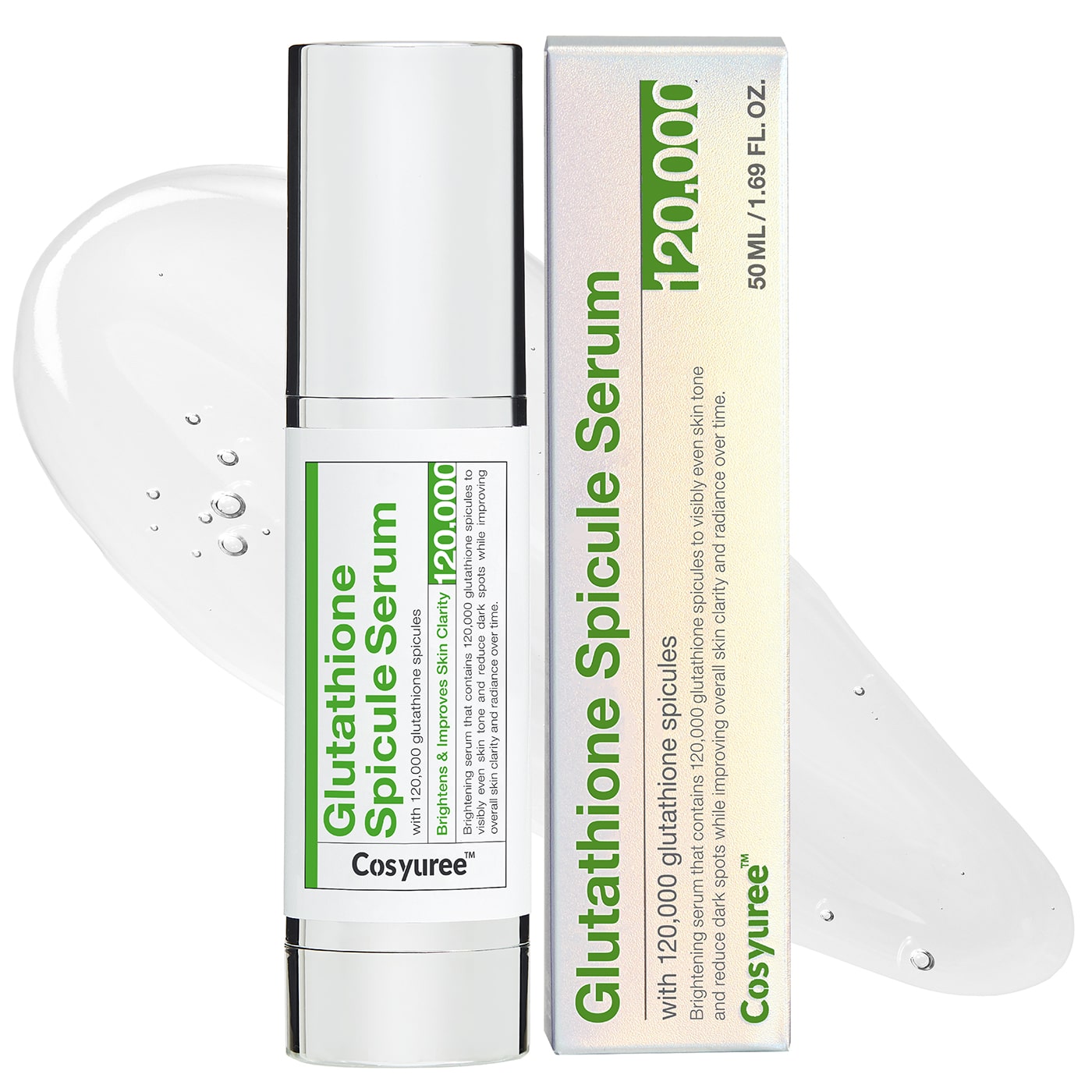
- Topical serums/creams: You’ll find products marketed with glutathione or “glutathione-like” brightening blends. This can be easier to trial because you can limit exposure to your skin only.
Quality standards and signals (what I check as a consumer):
- Clear ingredient list (no vague “proprietary blend” without numbers).
- Standardized dose stated per serving (not “contains glutathione” in marketing-speak).
- Third‑party testing or at least transparent quality documentation (for contaminants, not just marketing claims).
- Form and stability details when possible (some forms may be better suited for stability; unclear labeling makes you guess).
- Reasonable claims (no promises of permanent whitening, disease treatment, or guaranteed pigmentation reversal).
Product direction (how to match it to your goal): If your priority is “overall glow/antioxidant support,” oral might be your main candidate. If your priority is “targeted brightening or skin comfort,” a topical with glutathione may be a lower-risk starting point. Many consumers do a combination approach (topical + oral), but you should introduce only one new variable at a time to avoid confusion.
Comparison of Common Options
| Format | Typical Dose/Use | Pros | Cons | Cost | Best For |
|---|---|---|---|---|---|
| Oral capsule/tablet | Often once daily with food; check label | Easy routine fit; supports a “whole-body antioxidant” idea | May cause stomach upset for some; absorption varies | Mid | Women evaluating “internal support” |
| Oral liquid | Measured daily dose; shake if instructed | Flexible dosing; sometimes easier to swallow | Can be messy; flavor additives may irritate sensitive users | Mid to high | Sensitive pill users |
| Sublingual/lozenge | Once daily or as directed; follow timing closely | Convenient; marketed for absorption efficiency | Limited real-world comparisons; ingredient sensitivity still possible | High | People who prefer “no swallowing” |
| Topical glutathione serum | Apply to clean skin once daily or as directed | Local trial; easier to stop if irritation occurs | May not address deeper systemic goals; irritation depends on formula | Low to mid | Targeted brightening/glow routines |
| Combination (oral + topical) | One oral serving + one daily topical | Lets you cover multiple angles while staying structured | Harder to know what caused changes; higher cost | High | Consistent routine planners who track results |
Buying Framework and Red Flags
If you’re asking “Do Koreans take glutathione?” as part of a shopping decision, treat the purchase like a checklist exercise. Here’s the framework I’d use before paying.
- Label clarity: dose per serving is listed, not hidden.
- Ingredient transparency: no “proprietary blend” without amounts.
- Quality testing: third‑party results or credible quality documentation.
- Stability: reasonable storage guidance and a non-mysterious formula.
- Claim restraint: no “cures,” no guaranteed whitening, no disease language.
- Price realism: if it’s dramatically cheaper than comparable products with similar dosing, investigate what was cut (testing, form, or ingredients).
- Return policy: you should be able to stop and not get trapped.
- Allergen check: watch for additives you know trigger you (fragrance, certain sweeteners, etc.).
Quick red-flag warning: If a product markets “fast results” with aggressive brightness promises, or uses before/after photos without context, it’s better to pass and choose something with more realistic messaging.

Common Mistakes and How to Avoid Them
Most disappointment with “Do Koreans take glutathione?” comes from avoidable mistakes—so you can sidestep them.
- Changing too many things at once: If you start glutathione, change cleanser, add a new exfoliant, and alter sleep—your results become impossible to interpret.
- Skipping sunscreen: If you’re trying to influence tone or brightness, SPF is your baseline. Supplements don’t replace UV protection.
- Expecting overnight transformation: Even with supportive antioxidants, skin routines often show changes gradually over weeks.
- Using it as a substitute for irritation control: If your skin is already sensitized, adding new actives (including topical glutathione blends with other irritants) can backfire.
- Ignoring side effects: If you get persistent headaches, stomach upset, or rash, stop and reassess. Don’t “push through” repeatedly.
FAQ
1) Is it proven that Koreans take glutathione for skin benefits?
People do take glutathione as a supplement, but “proven” skin benefit depends on the claim. Evidence supports glutathione’s role as an antioxidant, yet consistent skin-tone results vary by study design, dose, and product form. Treat it as a supportive ingredient, not a guaranteed outcome.
2) How long does it take when you take glutathione if you’re asking “Do Koreans take glutathione”?
In practice, many consumers evaluate 6–12 weeks for subtle appearance changes. A shorter period (like 2 weeks) is mainly for tolerance and early notice of effects, not for firm conclusions.
3) What side effects should I watch for with oral glutathione (especially if I’m considering what “Do Koreans take glutathione?” means)?
Common issues reported by consumers include mild stomach upset, headaches, or irritation—often linked to the formula or inactive ingredients. Stop if symptoms persist, worsen, or include rash/swelling.
4) Can I combine glutathione with my current skincare or supplements when I’m asking about “Do Koreans take glutathione” safety?
Often, glutathione can be combined with a standard skincare routine, but go slowly. If you’re starting multiple actives, introduce glutathione first (or last) so you can identify what causes irritation. For supplements, combining several antioxidants or brightening supplements may increase the risk of unexpected side effects.
5) Is oral glutathione better than injection or alternatives if I’m trying to understand “Do Koreans take glutathione”?
Oral products are the typical “take” format. Injection is a different medical context and should only be considered through qualified healthcare guidance. As for alternatives, many people compare glutathione with other antioxidants or topical brighteners; the best choice depends on your sensitivity, budget, and whether you want systemic versus topical targeting.
A Practical 2-Week Experiment Framework
You don’t need a full “life commitment” to start evaluating “Do Koreans take glutathione?”—you need a structured trial. Here’s a 14-day framework you can follow.
- Choose one format only: either oral or topical to start, not both at once.
- Pick the labeled dose: don’t increase early “to speed results.” Consistency beats guessing.
- Keep your skincare stable: no new exfoliants, retinoids, or strong brighteners during this trial.
- Track tolerance daily: note stomach comfort, headaches, skin redness, itching, or unusual dryness.
- Take baseline photos: same lighting, same time of day, no filters. Do it on Day 1 and Day 14.
- Assess “stop or continue” after Day 14: if you had meaningful side effects, stop. If tolerance is fine, you can extend to a longer trial (often 6–8+ weeks).
Failure-to-avoid pattern: If your only outcome is “nothing changed,” that’s not automatically a bad sign—many effects are subtle and time-dependent. But if your tolerance is bad, that’s a clear stop condition.
About the Author
I’m a beauty product reviewer and ingredient-focused consumer editor writing for Cosyuree Beauty Reviews. My work blends routine testing with plain-language evaluation: I log dosing consistency, track tolerance, and compare products based on label transparency (not hype). I’ve reviewed oral supplements and topical brightening routines with an emphasis on how products perform in real schedules—morning routines, sunscreen habits, and skin sensitivity patterns. I’m not a doctor, and this article isn’t medical advice. Treat glutathione like an optional supplement: evaluate your tolerance, follow the label, and stop if you react. If you have medical conditions or take prescription medications, ask a qualified clinician before starting new supplements.
Discussion